
Fountain Pen Paper Guide
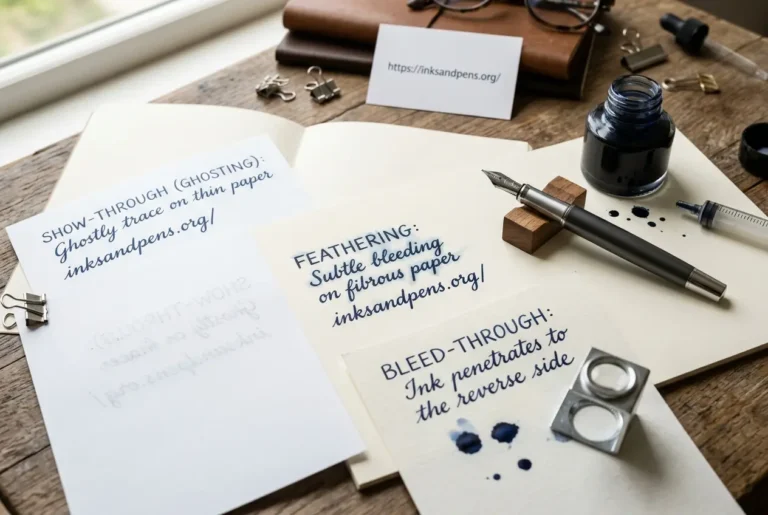
Not all paper works well with a fountain pen. You may use the same pen and ink on two different sheets and get completely different results. On one, the writing looks clean. On another, the ink may spread, feather, or show through the page.
That can be frustrating, especially when you like the way your ink looks in the bottle but not on paper. A smoother sheet can keep the ink under control and make your writing look sharper. It can also make things like shading and sheen easier to notice.
You do not have to buy the most expensive paper to get good results. What works for you depends on your pen, nib, ink, and the type of writing you do.
This Fountain Pen Paper Guide covers the paper qualities that matter, common problems to watch for, and how to choose paper that works well with your fountain pen
What Makes Paper Suitable for Fountain Pens
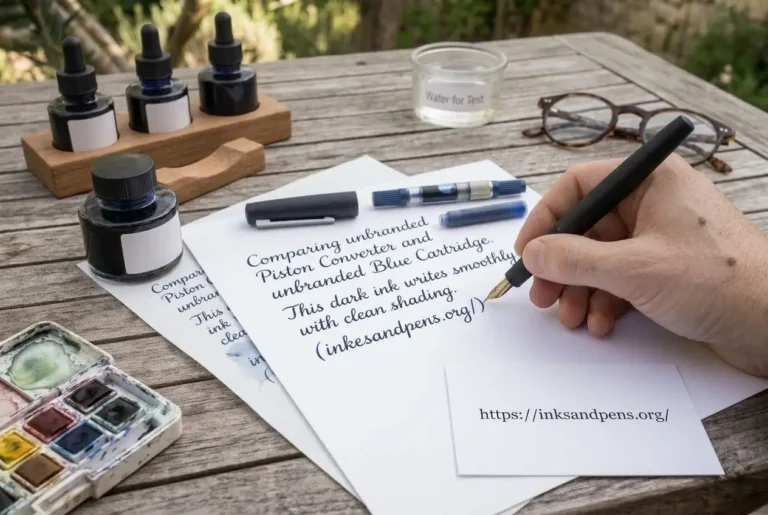
Good fountain pen paper gives the ink a smooth surface to sit on without soaking into the fibres too quickly. This helps keep the lines clean and reduces problems like feathering and bleed-through.
A smooth surface also lets the nib move across the page without feeling rough or dragging. This matters more with finer nibs, where rough paper can make the writing feel scratchy even when the nib itself is fine.
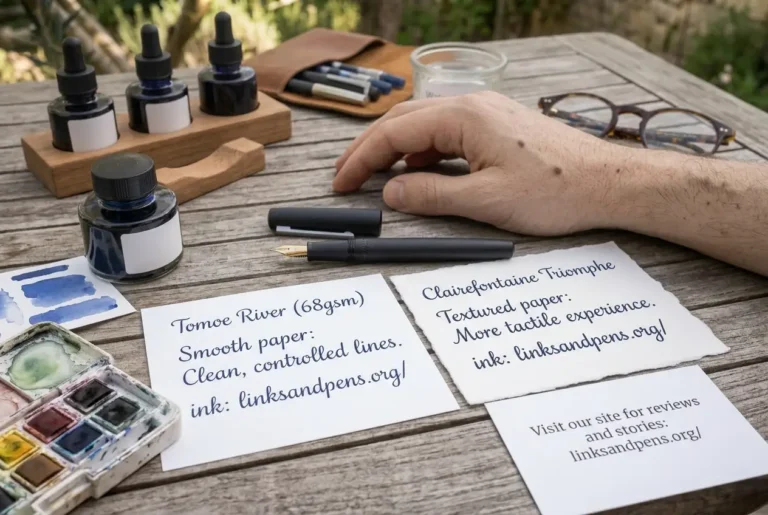
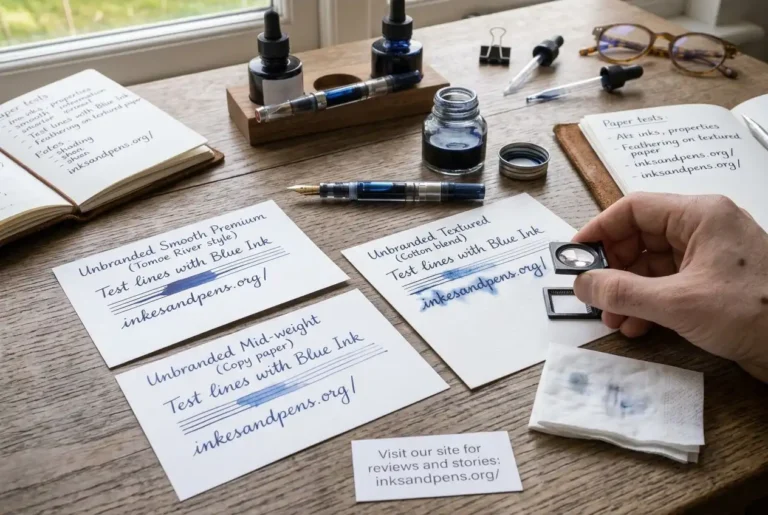
Paper thickness can matter too, but a thicker sheet is not automatically better. A well-made thinner paper can still work nicely with fountain pen ink if its surface is designed to control ink properly. The paper, ink, and nib all affect the final result, so it is worth testing a sheet before buying a large notebook or stack.
Fountain Pen Paper Features
|
Paper Feature |
What to Look For |
Why It Matters |
|
Smooth Surface |
A surface that feels smooth under the nib |
Helps the nib move easily and keeps lines cleaner |
|
Ink Absorption |
Paper that does not absorb ink too quickly |
Helps reduce feathering and keeps ink colours clearer |
|
Bleed-Through |
Good resistance to ink passing through the sheet |
Lets you use both sides of the page with more confidence |
|
Show-Through |
Limited visibility of writing from the other side |
Makes the back of the page easier to use |
|
Paper Weight |
A paper weight that feels sturdy enough for fountain pen ink |
Can help reduce show-through and bleed-through when combined with good paper construction |
|
Drying Time |
A surface that lets ink dry within a reasonable time |
Helps reduce smudging, especially when you write quickly |
|
Ink Appearance |
Paper that shows the ink without making it look dull or overly spread |
Can make shading, sheen, and colour differences easier to see |
Common Paper Problems With Fountain Pens
Paper Types for Different Writing Styles
|
Writing Style |
Paper to Consider |
Why It Works |
|
Everyday Notes |
Smooth, fountain pen-friendly paper |
Keeps regular writing clean without making the page feel too special or delicate |
|
Journaling |
Smooth paper with good ink performance |
Lets you enjoy different inks and see details like shading and colour |
|
Longhand Writing |
Smooth paper with good drying time |
Makes longer writing sessions more comfortable and reduces smudging |
|
Sketching and Drawing |
Smooth paper that handles fountain pen ink well |
Helps keep ink lines controlled when drawing or adding washes |
|
Work and Study Notes |
Paper with good resistance to bleed-through and show-through |
Makes it easier to write on both sides of the page |
|
Letter Writing |
Smooth, good-quality writing paper |
Gives handwriting a clean appearance and lets the nib move easily |
Choosing Paper for Ink Performance
FAQ
Final Thoughts
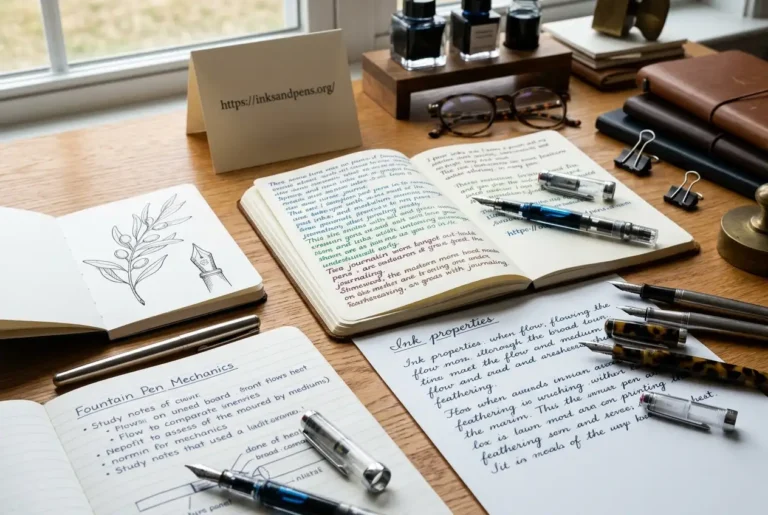
The right paper can change how a fountain pen feels and how your ink looks on the page. A smooth surface can help the nib move easily, while good ink control can reduce feathering, bleed-through, and unwanted spreading.
Paper weight matters, but it is not the only thing to check. Surface texture, absorbency, drying time, and resistance to show-through can all affect the writing experience. The ink and nib you use also make a difference, so paper that works well for one setup may not give the same result with another.
You do not need to choose paper based on price or brand alone. If possible, test a few sheets with your usual fountain pen and ink. That will show you how the paper handles your actual writing.
What matters most to you when choosing fountain pen paper: smooth writing, ink appearance, or resistance to bleed-through?